InSy Rostock
Fast and energy-efficient computer architectures for the edge.
Fishing for Solutions
Quick news
Save the date: opening of the ESL lab on 16 October 2026.
- Lillia Almeva joins the Methods and Tools group as a research associate.
- Lab life, demos and behind-the-scenes updates now on Instagram at @insy_rostock.
The edge is not a place. It is a budget.
We are the Chair of Integrated Systems at the University of Rostock. We build computer architectures that bring intelligence to where data is born: right at the sensor. There, energy, memory, time and space are scarce. That is exactly what we design for.
Our level is architecture, between the device and the application. We do not only think, we build: models, prototypes, FPGAs, our own chips and the tools behind them. At home on the Baltic coast in the north of Germany.
Rostock lies on Germany's Baltic coast, about 200 kilometres north-west of Berlin.
- Hamburg 153 km
- Copenhagen 179 km
- Berlin 194 km
- Prague 473 km
- Amsterdam 518 km
- Warsaw 626 km
- Oslo 653 km
- Stockholm 685 km
What we do
Energy is spent in two places: computing, and moving data. That is why our research has two pillars and one foundation.
Hardware accelerators. Compute
Processors that do one thing extremely well. We design accelerators that fit their task, from reconfigurable logic to our own silicon, and leave out everything a general-purpose processor carries along.
Heterogeneous systems. Compute
An accelerator is only as good as its place in the whole. We integrate CPUs, FPGAs and specialised cores into one system in which data, scheduling and security are designed together.
AI optimisation for hardware. Compute
Neural networks are reshaped before they reach the chip: recoded, quantised, searched for the right structure. Our Computation Coding is one example. Model and hardware are designed together, so efficiency comes from both sides.
Memory architectures. Memory
Bandwidth, hierarchy and data layout decide whether a processor computes or waits. We design memory paths so that data arrives in parallel and journeys stay short, from on-chip buffers to high-bandwidth memory.
New memory technologies. Memory
Non-volatile devices such as memristive RRAM keep their state without power, store several bits per cell and tolerate radiation. We turn these properties into architectures and take their flaws seriously: variability, drift and temperature are modelled, not ignored.
Computing in memory. Memory
Moving data costs more than computing with it. So we bring the computation to where the data lives: next to the memory, into its periphery, or into the cells themselves. A principle for any technology, and a natural fit for memristive arrays.
Virtual prototypes. Methods
A system exists in software long before it exists in silicon. Virtual prototypes run real software on an architecture that is still an idea, measure what it would cost, and make alternatives comparable early.
Hardware modelling. Methods
How fast, how much energy, how accurate? We build models of devices, circuits and architectures that answer this reliably: analytical, simulated or learned from measurements. As abstract as possible, as precise as necessary.
Design automation. Methods
Good architectures should be reproducible, not handmade once. Generators, emulation on FPGAs and a growing library of reusable building blocks turn design decisions into hardware, again and again.
Tap a topic to learn more
What we know from the cloud has to run on a chip next to the sensor. With a fraction of the energy.
At the sensor, everything is scarce: energy, memory, time and space. That is exactly where we work. Fast, frugal, and designed so that it stays manageable.
Optimise across layers.
Efficiency does not come from one layer alone. Algorithm, architecture and implementation are designed together, because local optima rarely fit in the whole.
Data movement first.
Often it is not the computing that costs, but moving the data. Memory paths and access patterns are decided early, not patched later.
Stay manageable.
A clever architecture is only useful if it can be generated, integrated and compared. Methods and tools are a precondition, not a side note.
Technology needs architecture.
A new device brings no gain by itself. Only models, integration and honest evaluation show where its physics turns into efficiency.
One programme by 2031.
Our strands grow together: published implementations, one entry point from problem to architecture, a design methodology, and a library that keeps our knowledge.
Tap a principle to learn more
Our stance
Research is a responsibility. These are the commitments behind our work.
Research for society.
Our work should be useful: for climate and energy, health, participation and fairness, and for technical progress that is handled responsibly.
Never for harm.
We do not develop or use knowledge and technology to harm people, society, the environment or civil infrastructure. Our research serves neither destruction nor the escalation of conflicts.
Frugal by design.
We design technical systems to be sparing with energy and resources. Energy-efficient computer architectures are our direct contribution.
Open to everyone.
Origin, age, gender, identity, orientation, background, language, belief or life path play no role in belonging here. Discrimination is not tolerated – whether open, hidden or built into structures.
Good scientific practice.
Honest, careful and reproducible, following the DFG guidelines. We are open about uncertainty, credit the contributions of others fairly, and both voice and accept criticism.
Results you can use.
Wherever possible, we publish not only papers but artefacts that others can reproduce and build on – code, models and hardware descriptions.
What we teach
Our courses lead from the first logic gate to accelerators for deep learning. Theses are offered by all three groups.
Digital Systems.
The foundations: from gates and flip-flops to the first processor. For many students the first contact with the chair.
Digital Circuit Design.
Describing, simulating and synthesising hardware – the craft behind every accelerator.
Chip Design.
From hardware description to a manufacturable integrated circuit.
Advanced CPU Design.
Processor microarchitecture in depth – pipelines, memory hierarchies and your own design projects.
Computer Architectures for Deep Learning.
How neural networks run efficiently on hardware: accelerators, data flows, quantisation and the limits set by memory.
Theses.
Topics come from the three research groups. A topic can be reserved for a limited time while you shape it together with your supervisor.
Tap a course to learn more
The Team
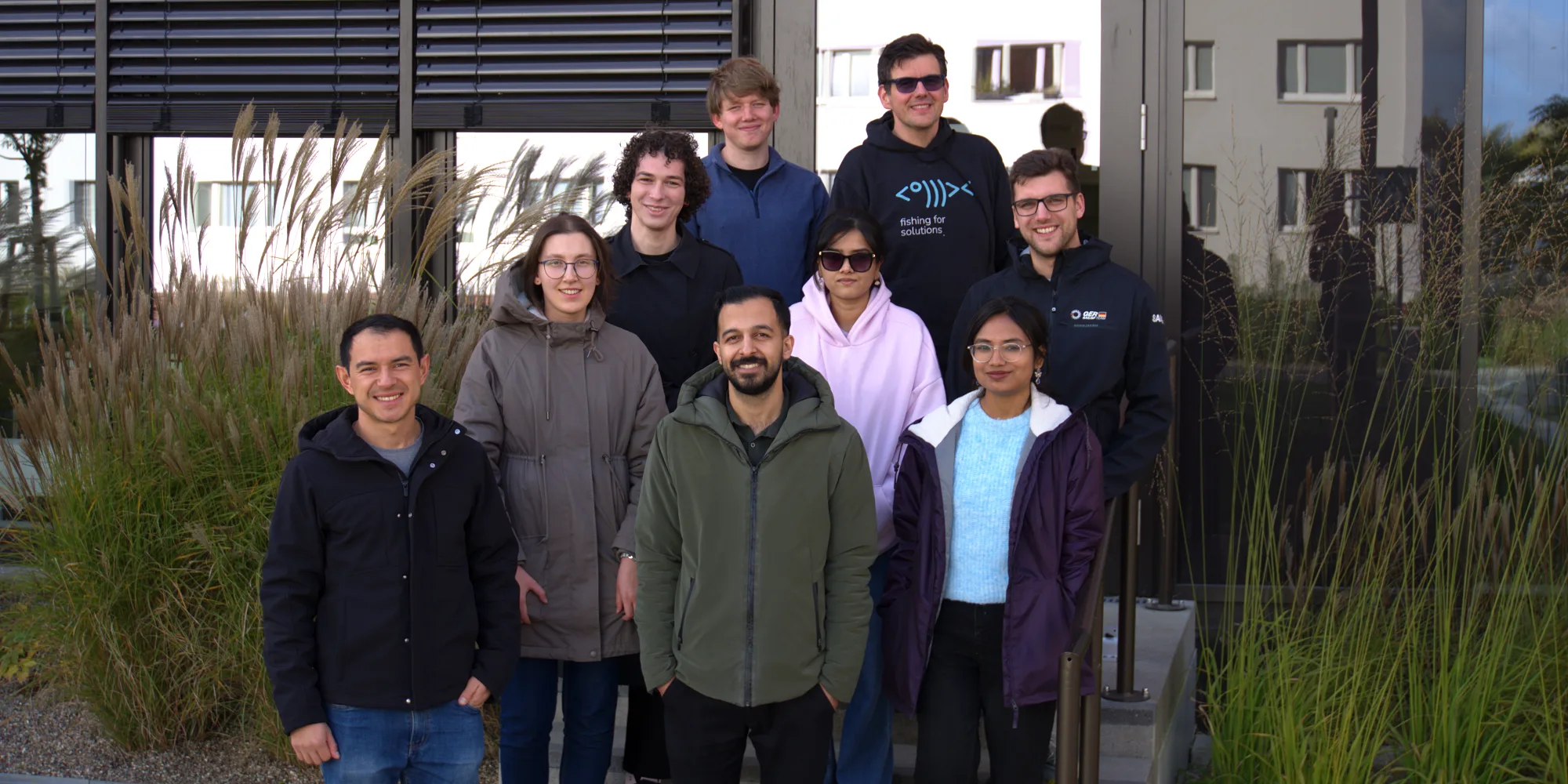
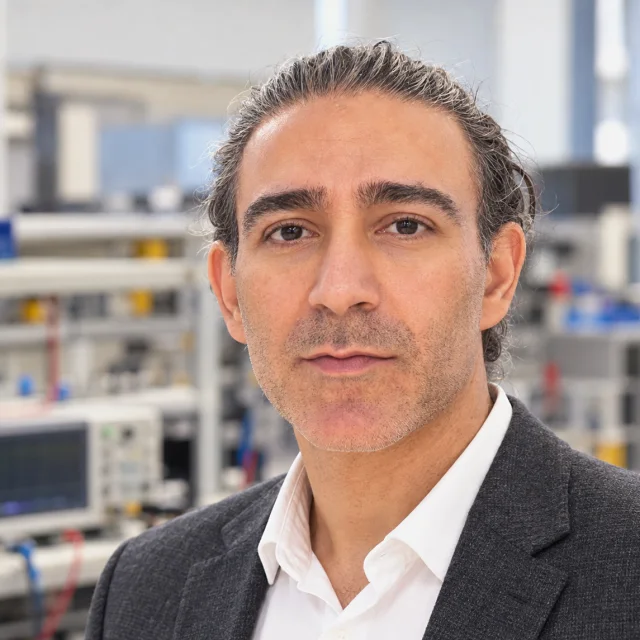
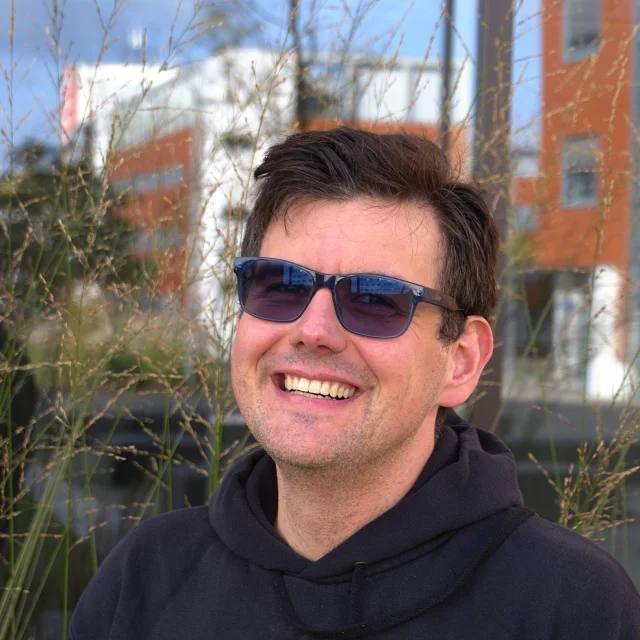
Methods and Tools About the group
The foundation under both pillars.
-
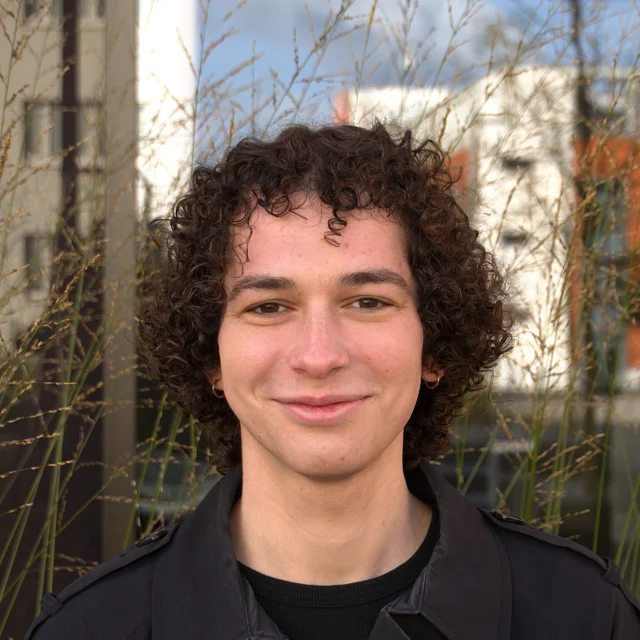 Alex LehnertResearch Associate · Group Leader Methods and Tools
 -
 Sayanti PalResearch Associate
 -
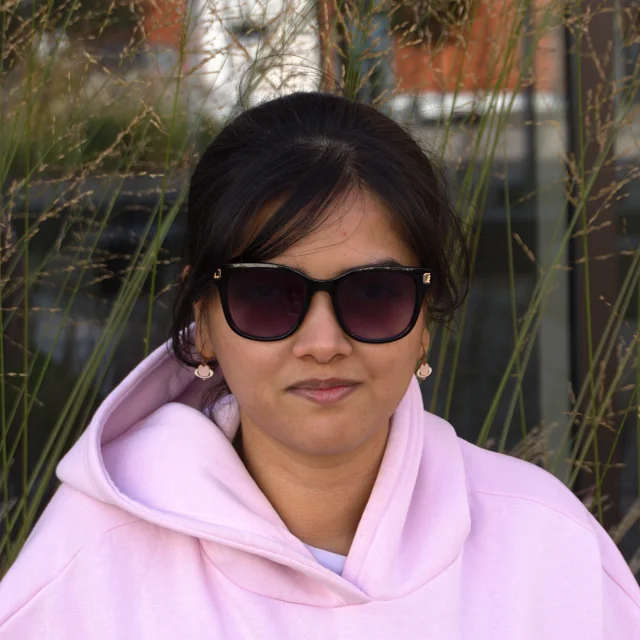 Sudatta MondalResearch Associate
 -
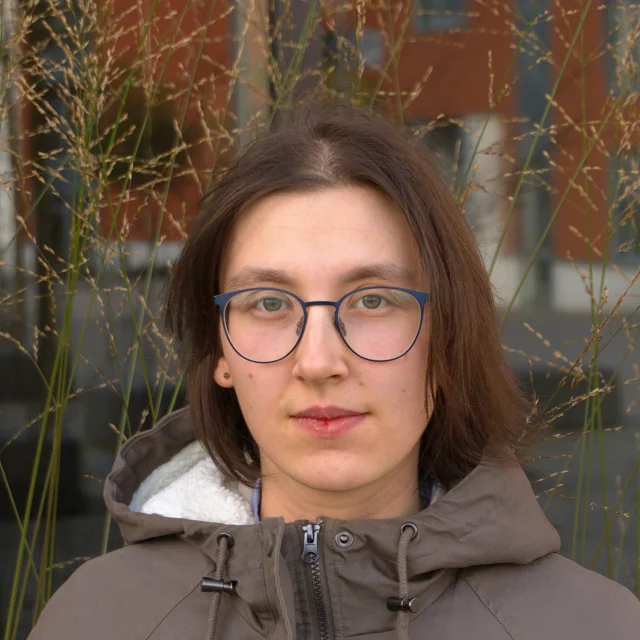 Lillia AlmevaResearch Associate
Compute-Centric About the group
How computing becomes fast and frugal.
-
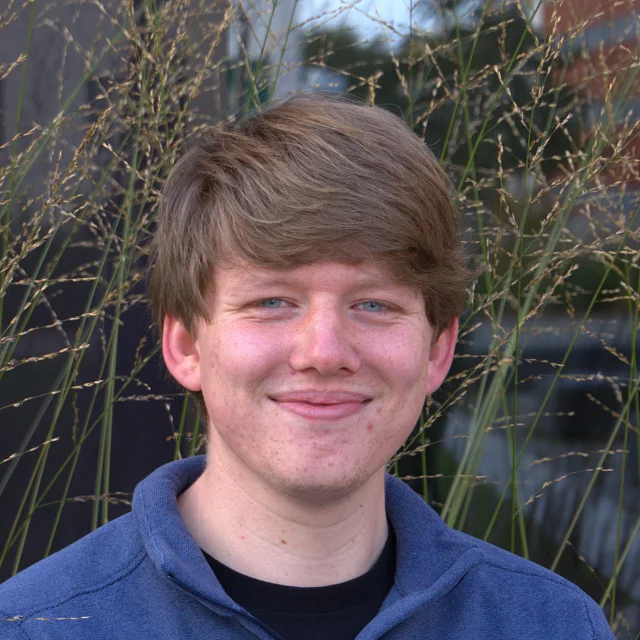 Florian RokohlResearch Associate · Group Leader Compute-Centric
 -
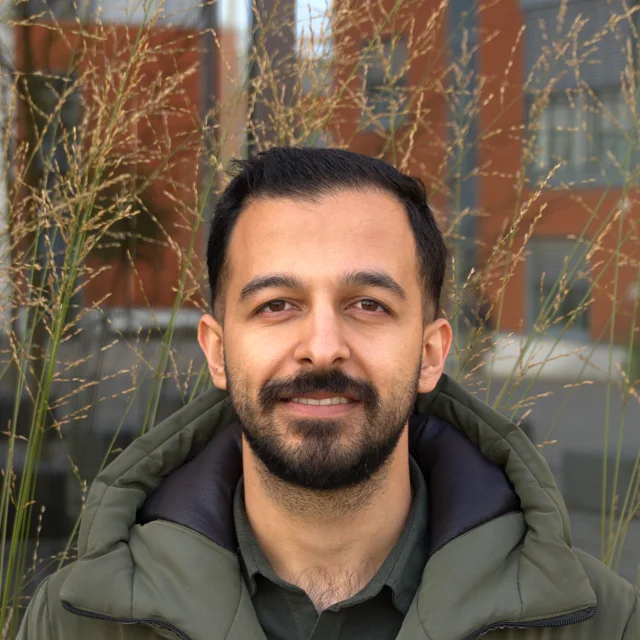 Amir Hosein YazdanpanaResearch Associate
 - Babak RooholahiResearch Associate
Memory-Centric About the group
How data reaches the computation.
-
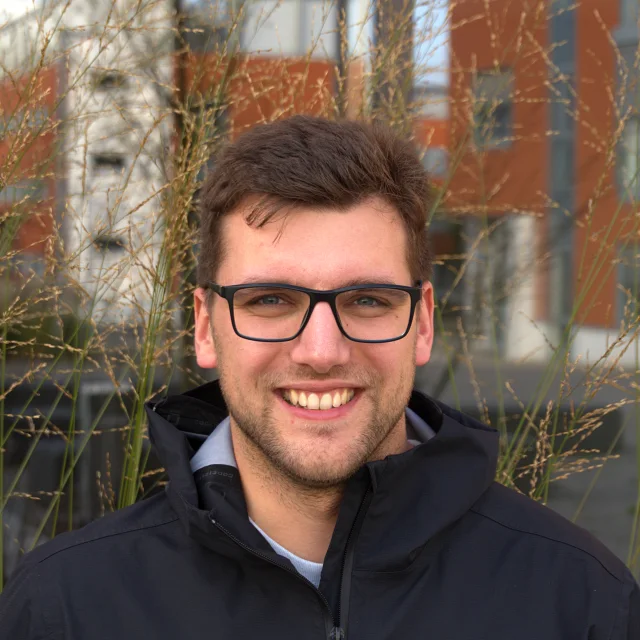 Sven-Erik KräuscheResearch Associate · Group Leader Memory-Centric
 -
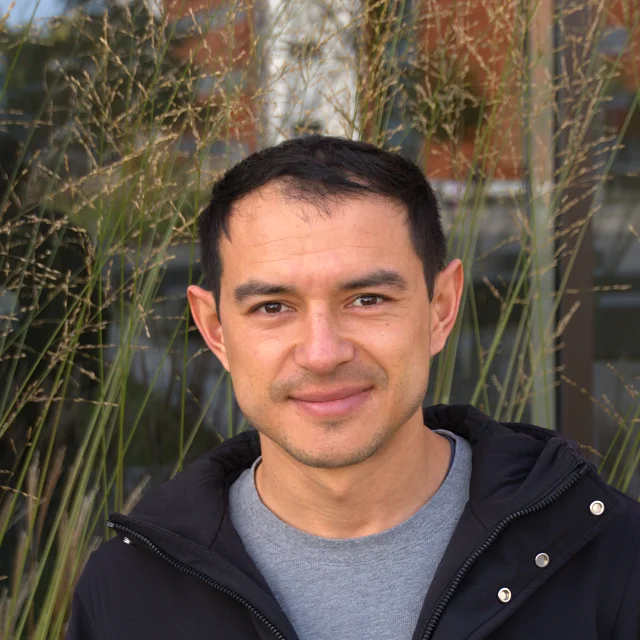 Alvaro GallardoResearch Associate
 - Ahmed Aftab Dar BashirResearch Associate
We are always looking for talented researchers and engineers.
Interested in joining?ESL Evolutionary Systems Lab
Think. Build. Research. Innovate. Together.
A student-run research and innovation lab at the InSy chair. Research does not have to wait until after graduation.
Student-driven.
Students lead and shape the lab: they develop their own project ideas, take responsibility, and decide where the lab goes next.
No hierarchies.
Students, doctoral researchers, and professors work side by side — with curiosity, creativity, and a shared enthusiasm for engineering.
Research-powered.
The InSy chair backs projects with scientific expertise, lab infrastructure, and research networks — all the way to publications and competitions.
From idea to prototype.
Hardware design, embedded systems, Edge AI, intelligent computer architectures: ideas become prototypes, prototypes become research.
Start-up ready.
Some first concepts grow into spin-offs. We open paths into research careers and company founding — right here in Mecklenburg-Vorpommern.
Connected.
More than a room full of equipment: a place to meet, share knowledge, and build together. The best ideas often come over a pizza on the couch or a round of Mario Kart.
Tap a tile to learn more
Driven by Students. Empowered by Research. Connected by Ideas.
Studying in Rostock and keen to build something of your own?
Join the ESLConnect
Researcher, industry partner, or future team member — we would love to hear from you.
Send us a message
Thanks — your message is on its way.
We will get back to you by email.